Quick Answer

Most vegan self-tanners rely on dihydroxyacetone (DHA) derived from sugar beets or cane. While these formulas avoid animal byproducts, they often come in plastic bottles. Look for brands using glass or aluminum containers, and prioritize simple ingredient lists to avoid unnecessary stabilizers. Always perform a patch test, as plant-based ingredients can still cause irritation in sensitive skin.
Self-tanning is a popular alternative to sun exposure, but the market is often saturated with vague claims about safety and sustainability. Finding a product that is both vegan and packaged thoughtfully requires looking past the branding. By focusing on essential ingredients like DHA and erythrulose while vetting the container materials, it is possible to maintain a bronze glow without relying on hidden animal derivatives or excessive single-use plastic waste.

Best Fit
Choose products that disclose the source of their DHA and use glass or aluminum packaging. These options provide the best balance between effective color development and minimizing plastic exposure in your daily routine.

Main Problem
Many self-tanners rely on complex chemical cocktails and non-recyclable plastic pumps. These products often mask low-quality ingredients with heavy fragrances, making it difficult to assess true skin safety and environmental impact.
What To Check First
Focus on these specific markers to find a reliable, vegan-friendly self-tanner that respects your health and your desire to reduce plastic waste:
- Check for plant-derived DHA sources
- Prioritize glass or aluminum containers
- Avoid hidden synthetic fragrance additives
- Look for minimal, transparent ingredient lists
- Verify third-party cruelty-free certifications
Comparison Table

| Decision Point | How To Think About It |
|---|---|
| Ingredient Transparency | Prioritize brands that clearly label the source of their DHA. Knowing whether it comes from sugar beets or synthetic processes helps you make an informed choice. |
| Packaging Material | Select products housed in glass or aluminum whenever possible. These materials are more durable and easier to recycle than standard plastic bottles or pumps. |
| Application Method | Use reusable cotton or bamboo mitts rather than disposable plastic gloves. These tools last longer and prevent unnecessary waste during your regular tanning application process. |
| Scent Profile | Choose unscented formulas or those using natural essential oils. Strong synthetic fragrances often indicate a lack of ingredient transparency and can irritate sensitive skin. |
Simple Starter Plan
- Research brands that explicitly list their DHA source and avoid using animal-derived glycerin or lanolin in their formulations.
- Transition to using a washable, reusable bamboo tanning mitt instead of relying on single-use plastic gloves for application.
- Check local recycling guidelines to ensure your chosen glass or aluminum packaging can actually be processed in your area.
- Perform a small patch test on your inner arm to ensure the vegan formula does not trigger unexpected skin reactions.
Related Product Searches
As an Amazon Associate, this site may earn from qualifying purchases.
Organic self tanning mousse
Find plant-based tanning mousses that use natural ingredients to achieve a streak-free glow without harsh synthetic additives.
View on AmazonReusable bamboo tanning mitts
Choose sustainable bamboo fabric mitts for an even application that avoids the waste associated with disposable plastic gloves.
View on AmazonNatural self tanning drops
Explore concentrated tanning drops that mix easily with your preferred daily moisturizer for a customizable and subtle tan.
View on AmazonCommon Mistakes
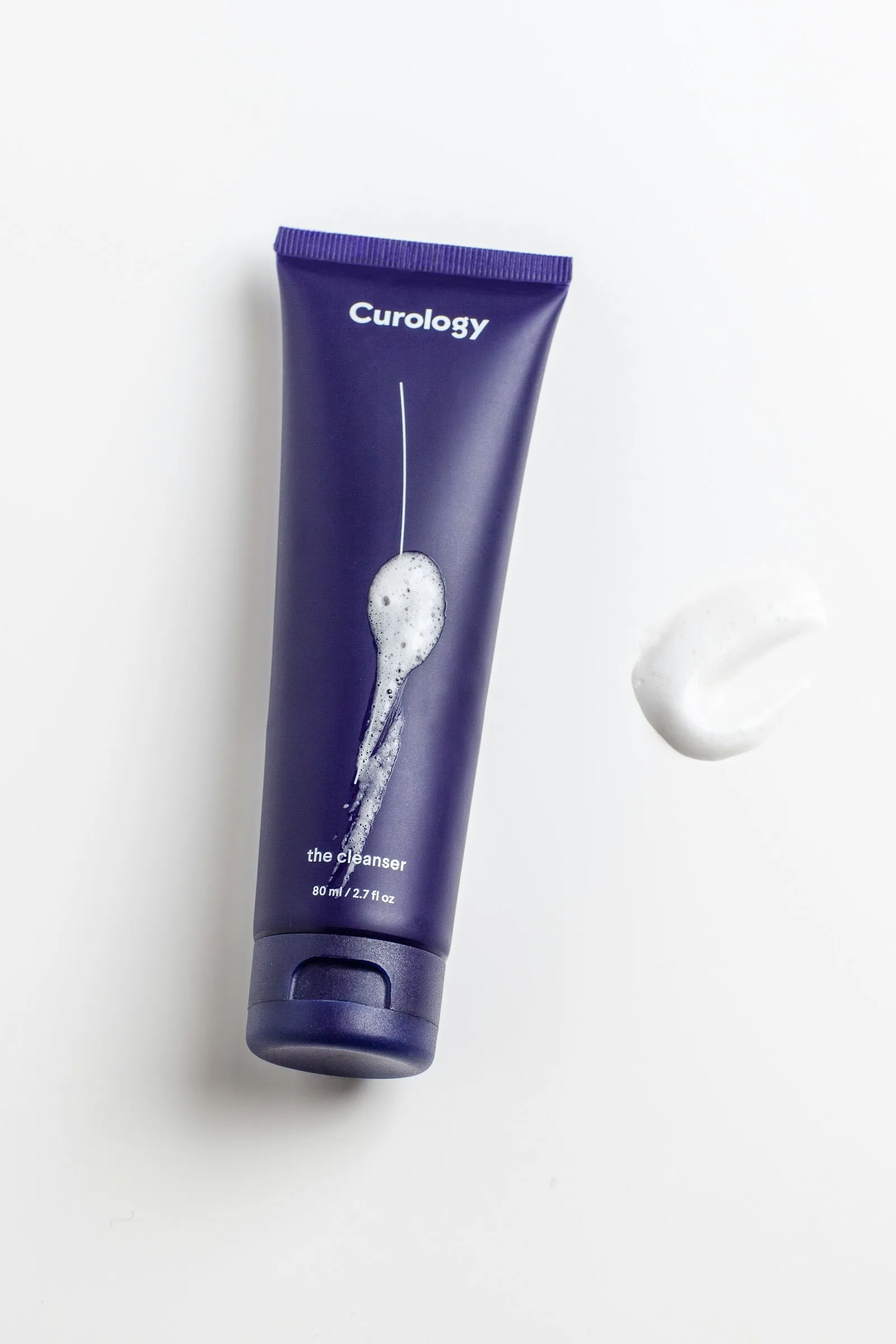
Avoid these common pitfalls when shopping for vegan tanning products to ensure you get a quality result without the extra waste.
- Assuming natural ingredients are always non-irritating
- Overlooking plastic components in the pump mechanism
- Buying into vague clean beauty marketing claims
Bottom Line

Vegan self-tanning is achievable by focusing on simple, plant-derived active ingredients and choosing glass or aluminum packaging. By avoiding complex chemical fillers and prioritizing durability, you can maintain a healthy glow while reducing your plastic footprint. Always check labels carefully and perform a patch test before committing to a full-body application.
FAQ

Is vegan self-tanner safer for my skin?
Not necessarily. While vegan products avoid animal byproducts, they still contain active chemicals like DHA. Safety depends on the specific formulation and your personal skin sensitivity, not just the vegan label. Always read the full ingredient list.
How do I avoid plastic in tanning products?
Look for brands that package lotions in glass bottles or aluminum tubes. Many companies use plastic pumps that are difficult to recycle, so choosing a simple screw-top lid is often a more durable and waste-conscious choice.
Does natural DHA work as well as synthetic?
Yes, DHA derived from sugar beets or cane functions identically to synthetic versions. The effectiveness of your tan depends more on the concentration of the DHA and your skin's pH levels than on the source of the ingredient.