Quick Answer

Fragrance-free means the product contains no added scent chemicals, while unscented may still contain masking fragrances to neutralize odors. To avoid irritation, look for products labeled specifically as fragrance-free and check the ingredient list for terms like 'parfum,' 'fragrance,' or botanical extracts known to cause reactions, regardless of whether the product is marketed as natural.
Skincare marketing often prioritizes scent, but fragrance is a leading cause of contact dermatitis and skin sensitivity. For many, finding effective, fragrance-free skincare is essential for maintaining a healthy moisture barrier. Transitioning to products without added perfumes requires looking past labels to verify ingredient lists. Whether dealing with eczema, rosacea, or general sensitivity, choosing items free from synthetic and botanical fragrances is a reliable way to reduce daily chemical exposure.

Best Fit
Fragrance-free products are best for individuals with reactive skin, eczema, or chemical sensitivities. They are also a practical choice for anyone wanting to minimize unnecessary ingredients in their daily routine.

Main Problem
The primary issue is the 'unscented' label, which often hides masking fragrances. These chemicals can trigger reactions even if the product lacks a noticeable floral or fruity smell.
What To Check First
When evaluating potential skincare purchases, prioritize these specific markers to ensure the product is truly free of hidden irritants or synthetic perfumes:
- Check ingredient lists for 'fragrance' or 'parfum'
- Verify absence of essential oils
- Confirm no masking agents are listed
- Prioritize products with minimal ingredient counts
- Choose glass or stainless packaging when possible
Comparison Table

| Decision Point | How To Think About It |
|---|---|
| Fragrance-Free Label | Look for the specific phrase 'fragrance-free' on the front label. This is a regulated marketing term that generally indicates no added scents are present in the formula. |
| Unscented Products | Treat 'unscented' with caution. These products often contain masking fragrances designed to neutralize the natural smell of raw ingredients, which can still cause significant skin irritation. |
| Botanical Extracts | Be skeptical of 'natural' plant extracts. Many essential oils and botanical waters are highly fragrant and can be just as irritating to sensitive skin as synthetic perfumes. |
| Packaging Choice | Select products in glass or stainless steel containers to avoid potential plastic chemical leaching, which is especially important for sensitive skin types prone to allergic reactions. |
Simple Starter Plan
- Audit your current bathroom cabinet and set aside any products containing fragrance or essential oils.
- Patch test new fragrance-free products on your inner forearm for 48 hours to monitor for reactions.
- Replace one product at a time to ensure you can identify if a specific item causes issues.
- Choose simple, single-ingredient moisturizers like plain jojoba oil or pure shea butter if standard lotions fail.
Related Product Searches
As an Amazon Associate, this site may earn from qualifying purchases.
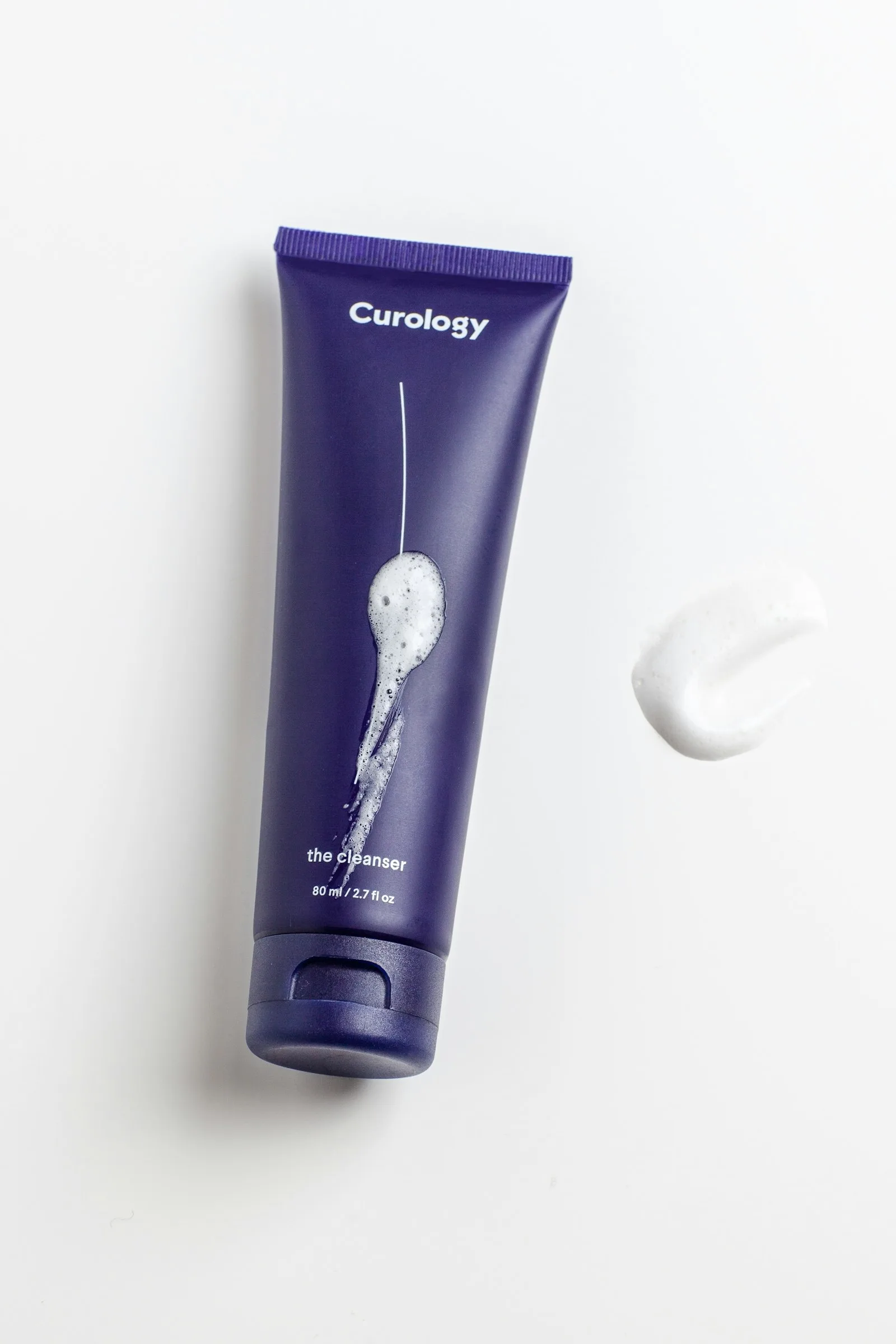
Fragrance free facial cleansers
Explore various gentle cleansing options formulated without synthetic fragrances to help maintain skin comfort during your daily routine.
View on AmazonFragrance free moisturizing creams
Compare different hydrating formulas designed to support skin moisture levels without the use of added perfumes or scents.
View on AmazonFragrance free body lotions
Discover a variety of unscented body moisturizers that provide hydration for sensitive skin types without irritating fragrance additives.
View on AmazonCommon Mistakes
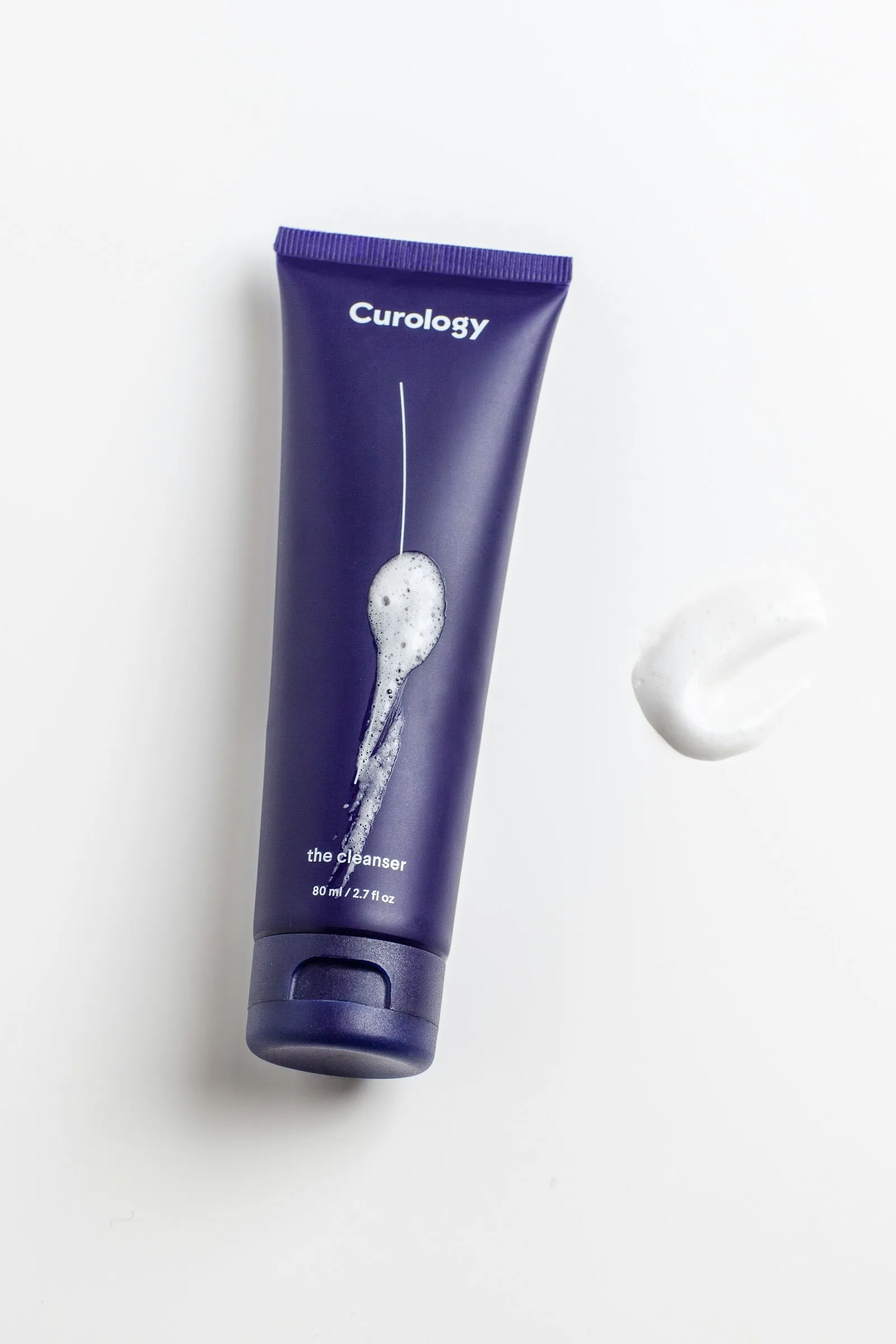
Avoid these common pitfalls when shopping for fragrance-free alternatives to ensure your skin remains calm and healthy.
- Assuming natural essential oils are safe
- Ignoring the fine print on ingredient labels
- Buying products based on marketing buzzwords
Bottom Line

Prioritizing fragrance-free skincare is a straightforward way to protect your skin barrier. By ignoring marketing hype and focusing on simple, transparent ingredient lists, you can build a routine that is both effective and non-irritating. Always test new products carefully and remember that the healthiest skin often requires the fewest additives.
FAQ

Is fragrance-free the same as hypoallergenic?
No. Hypoallergenic is a marketing term with no strict regulatory definition. It suggests a lower risk of reaction but does not guarantee the product is free from fragrance or other common allergens.
Can I use natural essential oils instead?
Essential oils are highly concentrated plant compounds and are common skin sensitizers. If you are avoiding fragrance to prevent irritation, essential oils should also be avoided as they contain volatile compounds.
Why does my unscented lotion smell like chemicals?
Unscented products may contain masking agents to hide the raw scent of the ingredients. If you notice a chemical smell, check the ingredient list for fragrance or perfume compounds.