Quick Answer
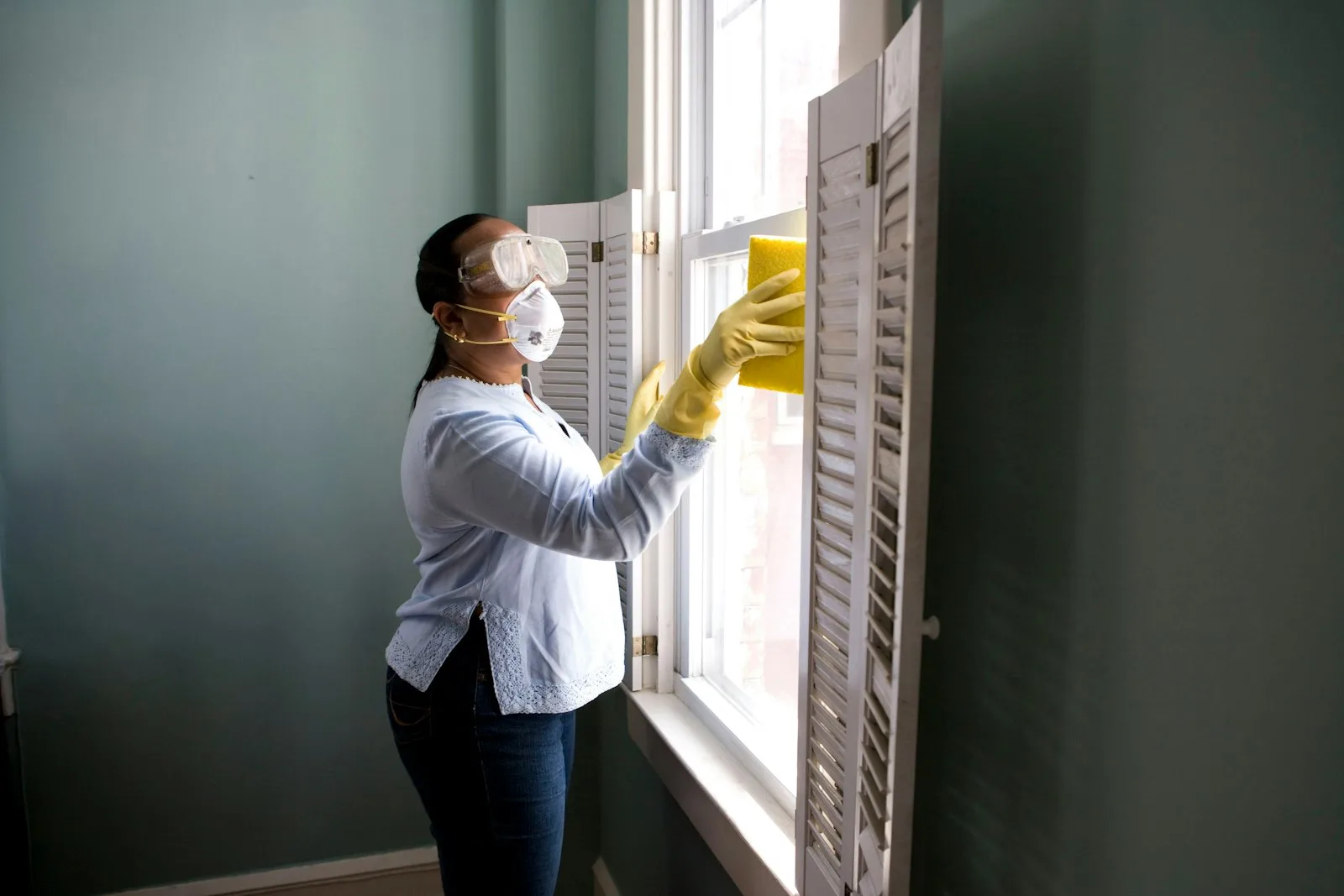
A practical cleaning kit relies on a few core ingredients like white vinegar, baking soda, and castile soap, paired with durable tools such as glass spray bottles, cotton cloths, and natural fiber brushes. Avoid proprietary plastic sprays and focus on simple, multi-purpose supplies that reduce chemical exposure and long-term waste without requiring expensive, branded specialty products.
Transitioning to a simplified cleaning routine does not require an overhaul of every cabinet. Many conventional cleaners rely on heavy plastic packaging and complex synthetic fragrances that may irritate sensitive individuals. By focusing on a few versatile, non-toxic staples and durable hardware, it is possible to maintain a sanitary home environment. Prioritize materials like glass, wood, and natural fibers to ensure your cleaning tools last for years rather than ending up in a landfill.

Best Fit
This approach is ideal for households looking to reduce plastic waste and minimize exposure to synthetic fragrances, while maintaining a budget-conscious, effective, and straightforward cleaning regimen for everyday surfaces.

Main Problem
Conventional cleaning products often rely on single-use plastic bottles and harsh chemical concentrations that offer little transparency regarding their long-term health impact or environmental footprint on the home.
What To Check First
Focus on these essential items to build a durable, effective cleaning kit that minimizes plastic waste and keeps your home surfaces well-maintained and free from unnecessary chemicals:
- Reusable glass spray bottles
- Natural fiber scrub brushes
- Washable organic cotton cloths
- Stainless steel soap dispensers
- Natural rubber cleaning gloves
Comparison Table

| Decision Point | How To Think About It |
|---|---|
| Surface Cleaning | Use a simple mixture of water and distilled white vinegar in a glass bottle to safely clean most non-porous surfaces like countertops and glass. |
| Deep Scrubbing | Baking soda serves as a gentle, non-toxic abrasive for sinks and tubs when paired with a natural fiber brush or a damp cotton cloth. |
| Tool Durability | Choose wooden brushes with plant-based bristles over plastic versions. Wood is compostable at the end of its life and avoids shedding microplastics during heavy scrubbing. |
| Cloth Maintenance | Replace disposable paper towels with washable cotton or hemp rags. These can be laundered hundreds of times, significantly reducing recurring costs and household waste. |
Simple Starter Plan
- Start by acquiring two high-quality glass spray bottles for your most frequent water-based cleaning solutions.
- Purchase a set of unbleached cotton cloths to replace paper towels for dusting and wiping down surfaces.
- Select one versatile castile soap to handle a variety of cleaning tasks throughout the kitchen and bathroom.
- Keep your supplies in a simple, open basket to ensure everything is accessible and easy to maintain.
Related Product Searches
As an Amazon Associate, this site may earn from qualifying purchases.
Glass spray bottles
Durable glass containers offer a reusable, non-reactive alternative to plastic spray bottles for mixing your own cleaning solutions.
View on AmazonNatural fiber scrub brushes
These brushes feature natural bristles and sustainable wood handles, providing a sturdy, plastic-free option for scrubbing surfaces and dishes.
View on AmazonOrganic cotton cleaning cloths
Reusable cloths made from natural fibers are highly absorbent and can be washed repeatedly, reducing reliance on disposable paper products.
View on AmazonCommon Mistakes
Avoid these common pitfalls when transitioning to a simpler, non-toxic cleaning routine for your home.
- Buying expensive specialty cleaners that replicate simple DIY formulas.
- Replacing all plastic items simultaneously instead of waiting for wear.
- Using essential oils in high concentrations near pets or children.
Bottom Line

Building a non-toxic cleaning kit is about prioritizing simplicity and durability. By using glass, cotton, and basic household staples, you reduce plastic waste and avoid unnecessary synthetic chemicals. Focus on tools that last, keep your routine straightforward, and remember that simple cleaning methods are often just as effective as complex, branded alternatives.
FAQ

Is vinegar safe for all surfaces?
Vinegar is acidic and can damage natural stone surfaces like marble or granite. Always check manufacturer recommendations for your specific countertops before using acidic cleaners to avoid etching or permanent dullness.
Are natural cleaners always safer?
Not necessarily. Natural ingredients like essential oils can still cause respiratory irritation or allergic reactions in some people. Always use caution, ventilate your space while cleaning, and research specific ingredients if you have sensitivities.
Do I need to buy expensive kits?
No. Most effective non-toxic cleaning kits are built using affordable pantry staples and basic hardware store items. You do not need proprietary kits to achieve a clean home; simple ingredients are often more cost-effective.