Quick Answer
Prioritize materials like stainless steel, glass, and organic cotton to reduce plastic exposure. Focus on replacing high-contact items first, such as toothbrushes, soap dispensers, and shower curtains. Choose durable, easy-to-clean options that avoid synthetic fragrances and unnecessary chemical coatings. Quality over quantity ensures a long-lasting, safer space without needing a complete overhaul.
The bathroom is often filled with single-use plastics and synthetic materials that degrade over time. Building a safer space does not require expensive, trendy upgrades. Instead, focus on replacing items that interact with skin or water using stable materials like glass, porcelain, stainless steel, and natural fibers. This approach keeps the environment functional and hygienic while minimizing exposure to unnecessary chemicals found in cheaper, disposable alternatives.

Best Fit
Focus on items that contact skin or water daily. Stainless steel is excellent for razors, while glass works best for soap dispensers. Natural fibers like organic cotton are superior for towels.

Main Problem
Most bathroom products rely on cheap plastics that harbor bacteria, off-gas, or break down quickly. These items create unnecessary waste and introduce potential chemical concerns into daily personal care routines.
What To Check First
Evaluate current bathroom essentials against these criteria to identify which items are ready for a durable, material-focused upgrade:
- Stainless steel razors for longevity
- Glass or ceramic soap dispensers
- Organic cotton or linen towels
- Natural rubber or silicone mats
- Wooden brushes with natural bristles
Comparison Table
| Decision Point | How To Think About It |
|---|---|
| Material Safety | Prioritize inert materials like glass and stainless steel. Avoid plastics marked with recycling codes 3, 6, or 7, which may contain unwanted additives. |
| Durability | Choose items designed to last years, not months. A stainless steel razor handle or a heavy glass dispenser saves money and reduces waste over time. |
| Maintenance | Ensure selected products are easy to sanitize. Avoid porous materials in damp areas where mold growth is a concern, preferring smooth, non-porous surfaces instead. |
| Budget | Replace items only when they break or reach the end of their lifecycle. Building a healthy bathroom is a gradual process, not a sudden expense. |
Simple Starter Plan
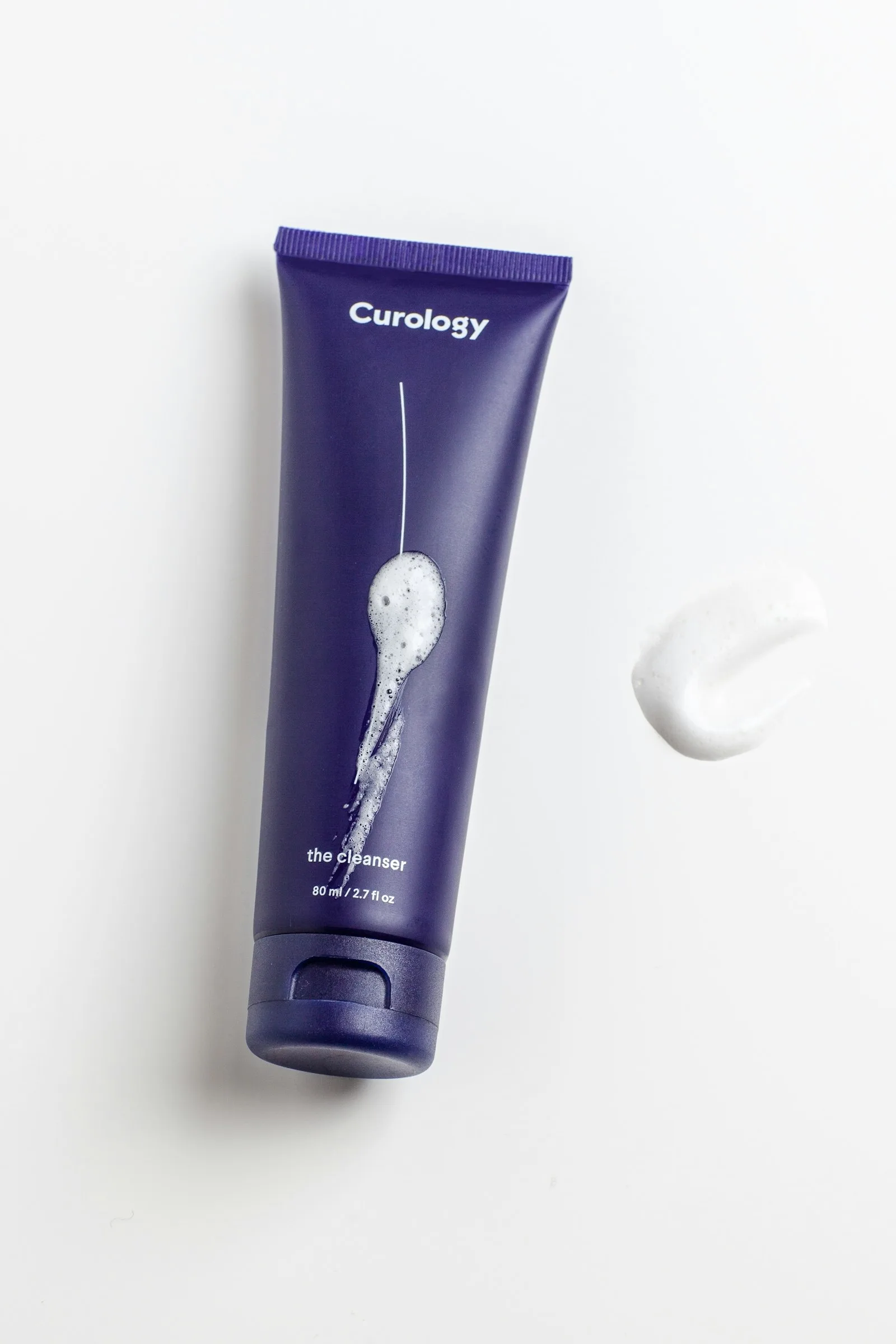
- Replace plastic soap dispensers with durable glass or stainless steel versions that allow for easy refilling.
- Switch to a high-quality stainless steel safety razor to eliminate the need for disposable plastic cartridge blades.
- Swap synthetic shower curtains for machine-washable organic cotton or linen liners that resist mold naturally.
- Choose natural fiber washcloths and brushes to replace synthetic loofahs that often harbor bacteria and shed microplastics.
Related Product Searches
As an Amazon Associate, this site may earn from qualifying purchases.
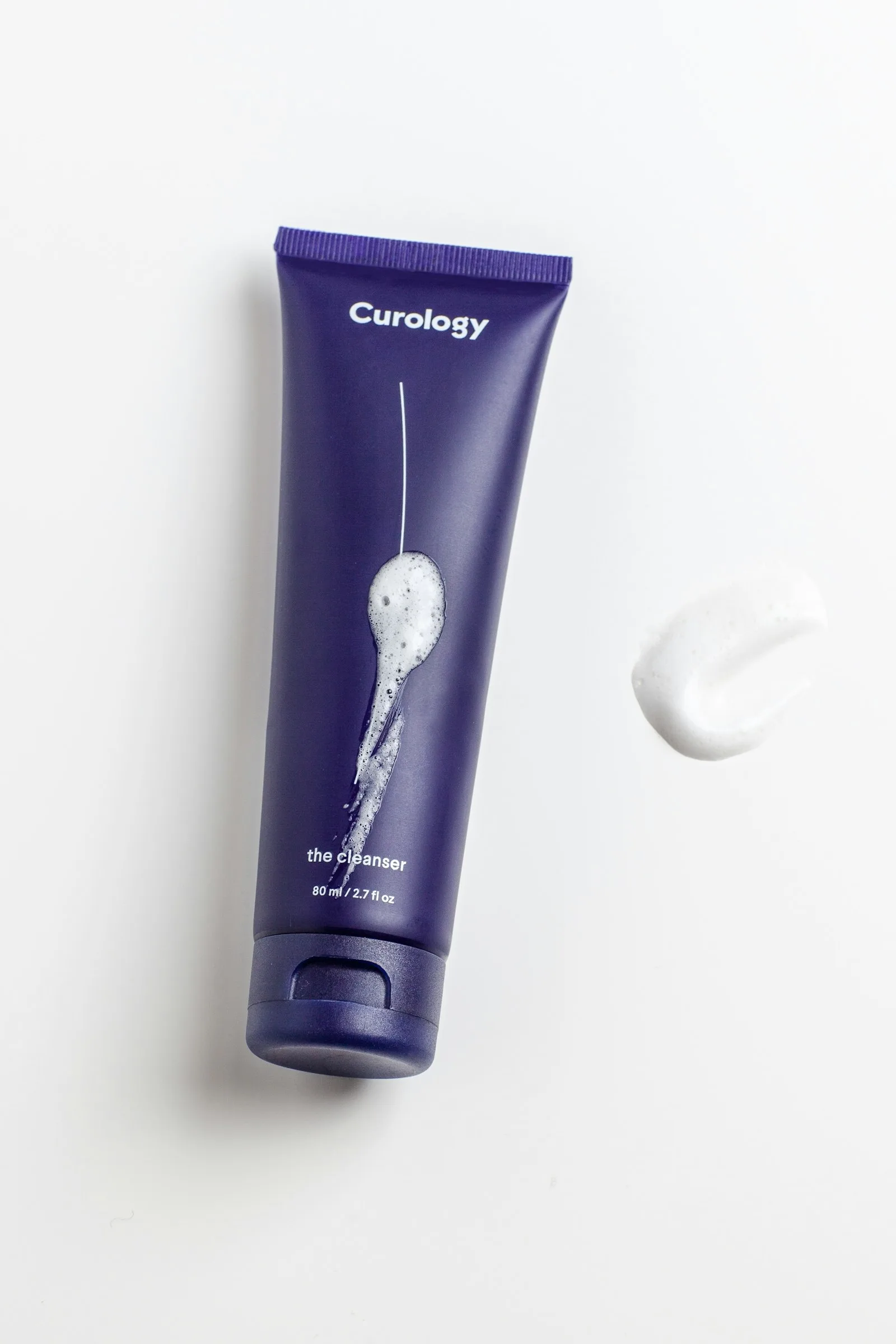
Stainless steel bathroom trash can
Durable metal construction avoids the off-gassing and degradation associated with standard plastic bathroom waste bins over time.
View on AmazonOrganic cotton bath towels
Choosing certified organic fibers ensures the fabric is free from synthetic pesticides and harsh chemical processing agents.
View on AmazonGlass bathroom soap dispenser
Glass containers provide a non-reactive storage solution that eliminates the risk of chemical leaching from plastic soap bottles.
View on AmazonCommon Mistakes
Avoid these common pitfalls when transitioning to a safer bathroom setup.
- Replacing functional plastic items before they wear out
- Buying expensive items without checking material stability
- Ignoring the need for regular cleaning and maintenance
Bottom Line

A non-toxic bathroom is built through intentional, gradual choices rather than immediate replacement of every item. By prioritizing inert materials like glass, steel, and cotton, you create a space that is easier to clean, more durable, and free from the hidden concerns of disposable plastic products.
FAQ

Is silicone safe for bathroom use?
Silicone is generally stable and heat-resistant, making it a useful alternative to plastic for items like soap trays or mats. It does not off-gas like many soft plastics, though quality can vary, so look for food-grade options.
Do I need to replace all plastic at once?
No, that is neither budget-friendly nor sustainable. Replace items as they wear out or break. This allows for thoughtful research and ensures you select durable products that actually fit your specific needs.
Are natural materials always better?
Not necessarily. Natural materials like bamboo or wood can trap moisture and grow mold in humid bathrooms if not properly sealed or dried. Always consider the environment of the item before choosing the material.