Quick Answer
Prioritize swapping items that touch food or high-heat surfaces first. Focus on stainless steel for durability, glass for storage, and natural fibers for textiles. Avoid replacing everything at once; instead, swap items naturally as they wear out to keep costs manageable and prevent unnecessary waste while building a more functional home environment.
Building a healthier home environment starts with identifying common plastic items that degrade over time or leach chemicals during daily use. Shifting toward materials like stainless steel, glass, and solid wood offers better longevity and peace of mind. This process does not require a complete overhaul or expensive brand-name products. Focus on gradual, intentional replacements that prioritize durability and functionality, ensuring every new item earns its place in the household through consistent, reliable performance.
Best Fit
This approach suits households looking to reduce plastic reliance through incremental, budget-conscious decisions. It favors materials that withstand daily wear, high temperatures, and frequent cleaning without showing signs of degradation.

Main Problem
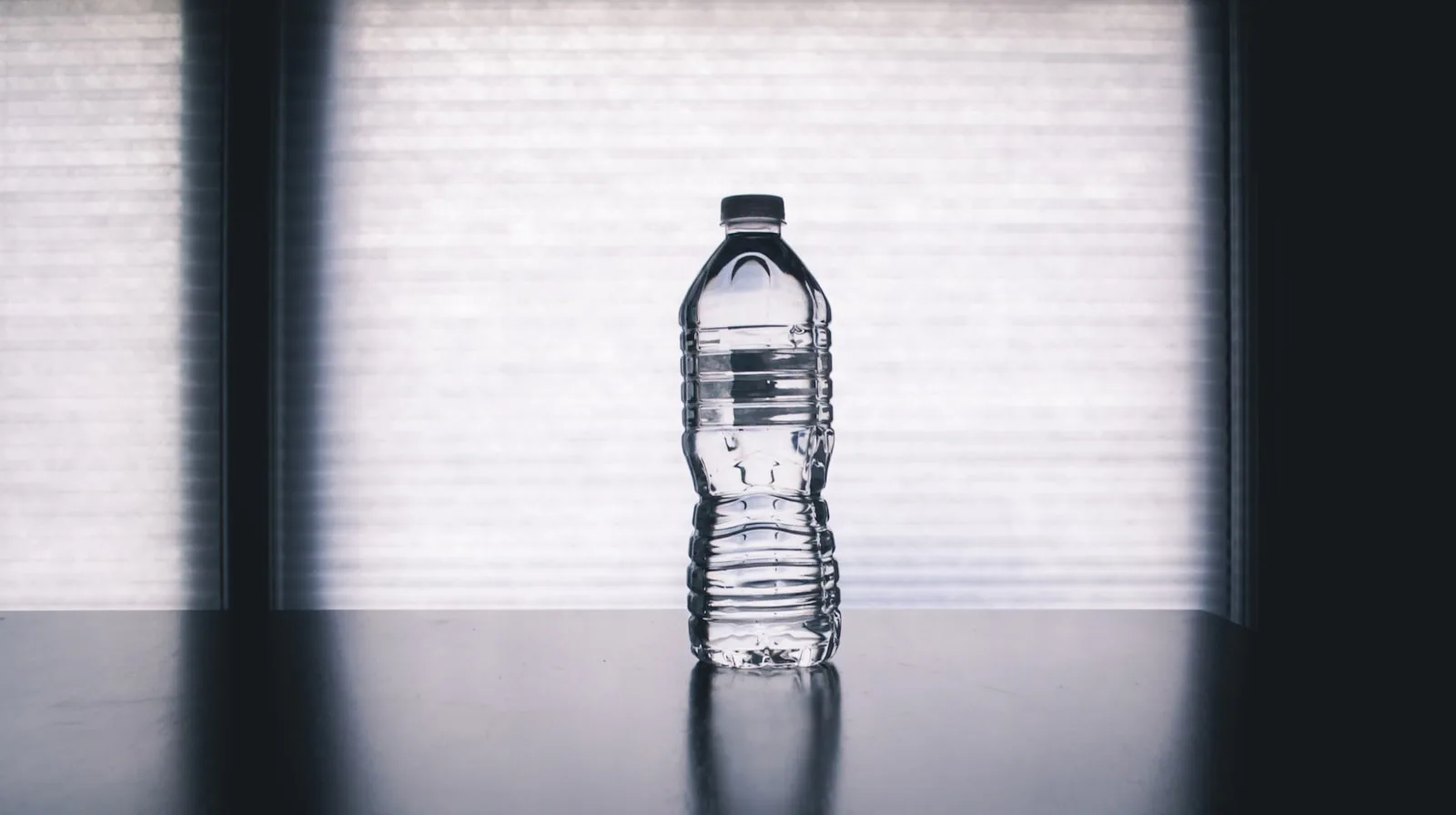
Cheap plastic degrades when exposed to heat, light, or acidic foods, often releasing microplastics or chemical additives. Replacing these items with stable alternatives prevents premature disposal and long-term health concerns.
What To Check First
Evaluate household items against these criteria to determine if a replacement is necessary for your health and home efficiency:
- Does the item directly touch food?
- Is the plastic cracked or sticky?
- Does it get exposed to heat?
- Is there a durable metal alternative?
- Will this last for several years?
Comparison Table
| Decision Point | How To Think About It |
|---|---|
| Food Storage | Prioritize glass containers with silicone seals. They handle temperature changes well, do not absorb odors, and remain clear even after years of heavy, daily refrigerator use. |
| Cooking Utensils | Switch to stainless steel or solid wood. These materials do not melt or warp under heat and avoid the chemical concerns associated with degraded plastic coatings. |
| Textiles and Bedding | Choose organic cotton or wool. These natural fibers are breathable, durable, and avoid the synthetic microfibers often shed by polyester or nylon fabrics during regular wash cycles. |
| Cleaning Tools | Use natural fiber brushes and cotton cloths. These are often compostable at the end of their life and perform effectively without relying on synthetic bristles or sponges. |
Simple Starter Plan
- Replace one plastic food storage container with glass whenever a lid breaks or the plastic becomes discolored.
- Swap your primary stirring spoon for a stainless steel or solid wood version during your next grocery trip.
- Use cotton cloths for dusting and cleaning instead of synthetic sponges that harbor bacteria and shed microplastics.
- Assess your most frequently used kitchen tools and prioritize replacing items that show visible signs of heat damage.
Related Product Searches
As an Amazon Associate, this site may earn from qualifying purchases.
Stainless steel food containers
Durable and non-porous stainless steel containers provide a long-lasting alternative to plastic for organizing pantry staples and leftovers.
View on AmazonGlass kitchen storage jars
Clear glass jars allow for easy visibility of dry goods while offering a non-reactive surface that does not leach.
View on AmazonOrganic cotton kitchen towels
Natural fiber textiles like organic cotton are highly absorbent, washable, and free from synthetic microfibers found in common alternatives.
View on AmazonCommon Mistakes
Avoid these common pitfalls when transitioning to a plastic-free home environment.
- Discarding perfectly functional plastic items immediately.
- Buying expensive sets instead of individual pieces.
- Assuming all natural materials are automatically safe.
Bottom Line
Transitioning to a healthier home is a marathon, not a sprint. By focusing on high-use items and choosing durable materials like stainless steel and glass, you create a functional space that lasts. Avoid the temptation to replace everything at once; instead, let durability guide your purchases and enjoy the long-term benefits of a simpler home.
FAQ

Is stainless steel always the best choice?
Not always. While stainless steel is excellent for durability and heat resistance, glass is often better for food storage because it is transparent and non-reactive. Choose the material that best matches the specific task and how frequently you use the item.
Should I throw away all my plastic items now?
No. Discarding functional items creates unnecessary waste. Continue using your existing plastic items until they show signs of wear, such as cracking, melting, or persistent stains, then replace them with a more durable material like stainless steel or glass.
Are silicone products a safe alternative to plastic?
Silicone is generally a stable, heat-resistant alternative to plastic for items like baking mats or spatulas. While not as infinitely recyclable as metal or glass, it is a durable option for specific kitchen tasks where flexibility and high heat resistance are required.