Quick Answer

Avoid ingredients linked to endocrine disruption or severe skin irritation, such as certain parabens, phthalates, and formaldehyde-releasing preservatives. Prioritize products with short, recognizable ingredient lists. If a label contains complex chemical names you cannot identify, research them before use. Simple, fragrance-free, and minimally processed formulas often carry fewer risks for daily application on the skin.
The beauty industry often uses vague terms like clean or natural, which lack strict regulatory definitions. Instead of relying on marketing labels, look directly at the ingredient list. By identifying specific substances associated with irritation or potential long-term health concerns, you can make informed decisions. This approach moves beyond trends, focusing on practical, evidence-aware choices that prioritize skin health and avoid unnecessary chemical exposure in everyday products.

Best Fit
This information suits shoppers who want to reduce chemical exposure in their daily hygiene routine. It is ideal for those prioritizing ingredient transparency over fancy packaging or complex claims.

Main Problem
Marketing language often obscures what is actually inside a bottle. Consumers frequently buy products based on buzzwords rather than facts, leading to an accumulation of potentially irritating or harmful substances.
What To Check First
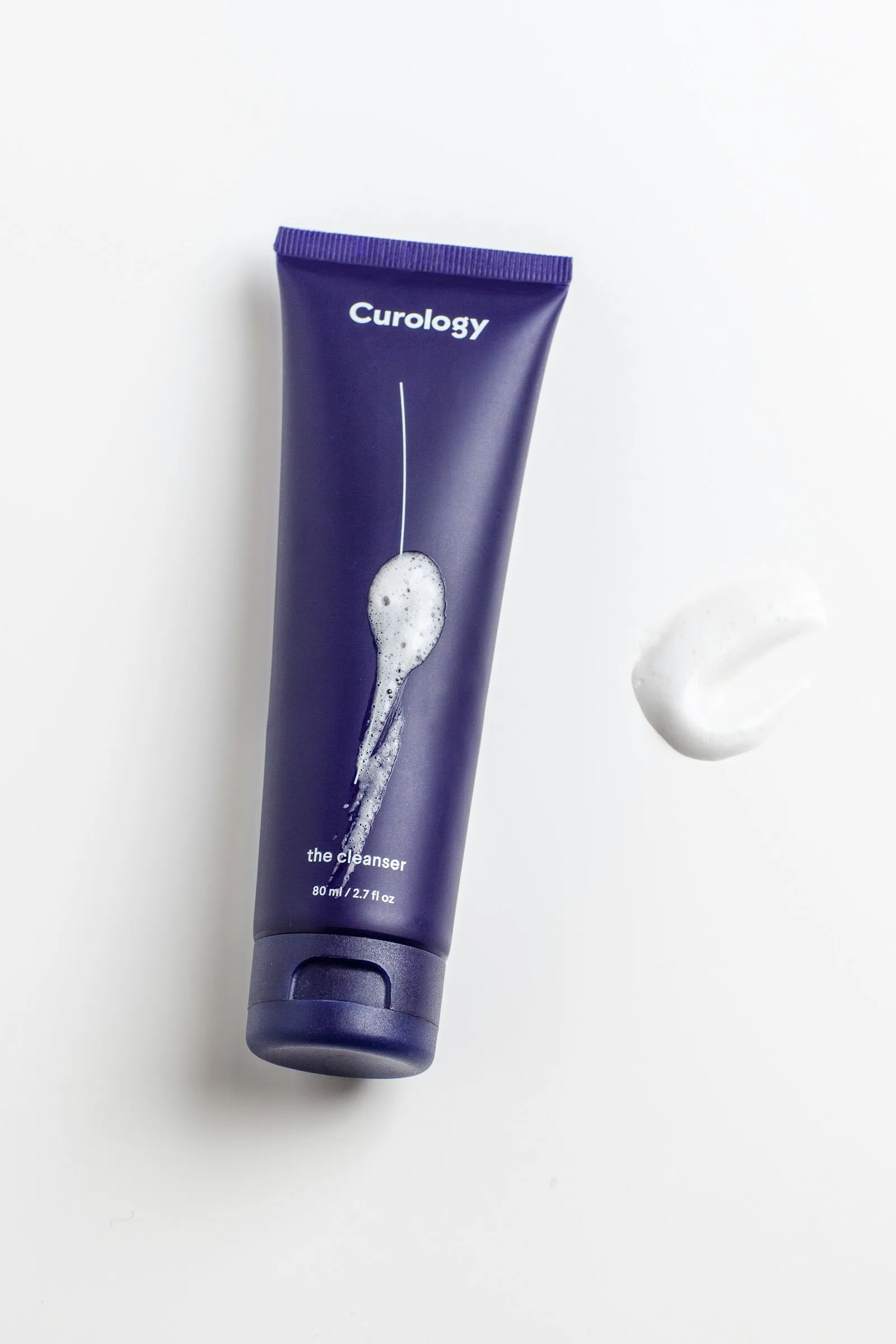
Before purchasing a new personal care item, scan the ingredient label for these common red flags that often indicate unnecessary risk or potential skin sensitivity issues:
- Parabens like methylparaben and propylparaben
- Phthalates often listed as fragrance
- Formaldehyde-releasing preservatives like DMDM hydantoin
- Synthetic musks and heavy fragrance additives
- Triclosan found in some antibacterial soaps
Comparison Table
| Decision Point | How To Think About It |
|---|---|
| Fragrance | Often a catch-all term for dozens of hidden chemicals. Choose fragrance-free options to minimize exposure to undisclosed phthalates and potential skin sensitizers. |
| Preservatives | Avoid formaldehyde-releasers. Look for safer alternatives like phenoxyethanol or organic acids, which provide stability without the same level of concern for sensitive skin. |
| Surfactants | Watch for harsh sulfates like SLS that strip natural oils. Gentler plant-based cleansers often provide effective results without causing dryness or irritation. |
| Sunscreen | Opt for mineral-based blockers like zinc oxide or titanium dioxide instead of chemical filters, which are more likely to cause reactions or environmental concerns. |
Simple Starter Plan
- Audit your current bathroom cabinet and discard products with expired or unidentifiable chemical ingredients.
- Choose fragrance-free versions of your daily staples to immediately reduce the number of synthetic chemicals used.
- Check new purchases against a reliable, independent database to verify the safety profile of every listed ingredient.
- Prioritize brands that disclose full ingredient lists rather than hiding behind proprietary formulas or vague marketing terms.
Related Product Searches
As an Amazon Associate, this site may earn from qualifying purchases.
Glass cosmetic storage jars
Store homemade beauty formulations in durable glass containers to avoid potential chemical leaching from plastic packaging materials.
View on AmazonStainless steel mixing tools
Use non-reactive stainless steel tools for blending natural ingredients to ensure purity and easy cleaning between uses.
View on AmazonOrganic cotton facial rounds
Choose washable organic cotton rounds to reduce waste and avoid synthetic fibers often found in disposable facial pads.
View on AmazonCommon Mistakes
Avoiding these common errors will help you maintain a healthier and more sustainable personal care routine.
- Assuming natural ingredients are always safer than synthetic ones.
- Trusting marketing buzzwords instead of reading the full label.
- Ignoring your own skin reactions to new product formulations.
Bottom Line

Prioritizing skin health does not require buying expensive niche products. By focusing on simple, transparent labels and avoiding known irritants, you can build a reliable routine. Always patch-test new products and remember that the safest option is often the one with the shortest, most understandable list of ingredients.
FAQ

Are natural beauty products always safe?
No. Natural ingredients can still cause severe allergic reactions or skin irritation. Even plant-derived substances can be processed with harsh chemicals, so always evaluate the specific ingredient rather than the source.
How can I identify hidden phthalates?
Phthalates are rarely listed by name. They are almost always hidden under the generic term fragrance or parfum. To avoid them, purchase products explicitly labeled as fragrance-free or phthalate-free.
Is it necessary to switch all products at once?
No. Start by replacing the products you use most frequently, such as body wash or moisturizer. Gradual changes are more budget-friendly and help you monitor how your skin reacts.