Quick Answer
Prioritize stainless steel for durability, glass for transparency, and solid wood or cotton for daily utility. These materials eliminate BPA exposure risks while offering long-term value. Start by replacing items that show signs of wear, such as scratched plastic containers or worn-out spatulas, to maintain a safe kitchen without needing a complete, expensive overhaul.
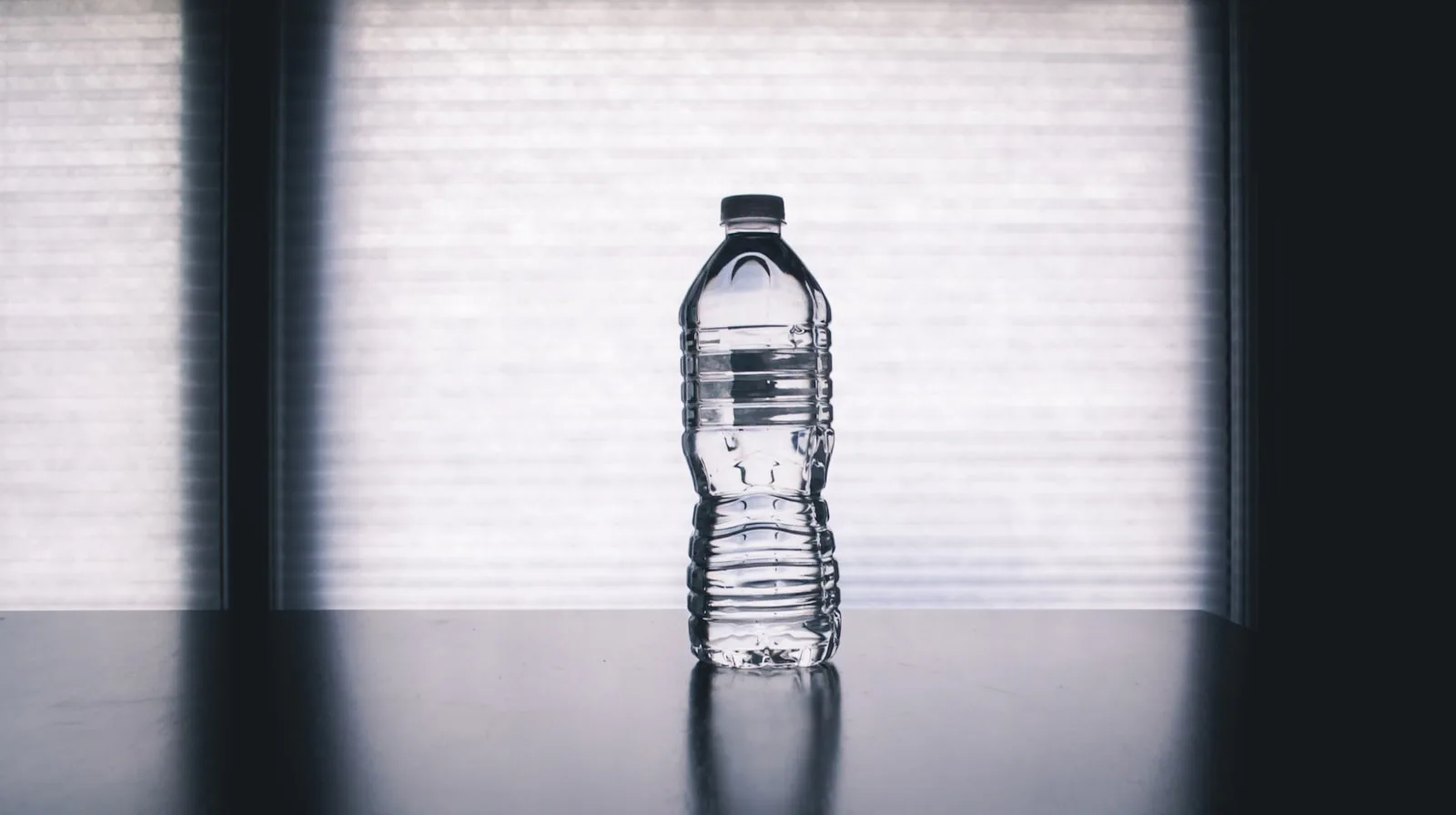
Reducing plastic in the kitchen often starts with moving away from BPA-containing containers and tools. While BPA-free labels exist on plastic products, they do not always guarantee the absence of other chemical additives. Shifting toward inert materials like stainless steel, tempered glass, and untreated wood provides a clearer path to a kitchen environment free from plastic-related concerns. These swaps are practical, long-lasting, and easily integrated into any household budget without requiring immediate, total replacement.
Best Fit
Stainless steel is the best fit for food storage and prep tools due to its longevity. Glass is ideal for reheating, while solid wood or silicone serves as a better, heat-resistant alternative for cooking utensils.

Main Problem
Plastic degrades over time, especially when exposed to heat or abrasive cleaning. These micro-scratches can trap bacteria and potentially leach chemical additives into food, making plastic a suboptimal choice for long-term kitchen use.
What To Check First
Evaluate your kitchen based on material safety and wear. Focus on these five areas to begin transitioning your home to a more durable, non-plastic setup:
- Replace scratched plastic food containers
- Swap plastic spatulas for wood
- Use stainless steel mixing bowls
- Choose glass for microwave reheating
- Switch to cotton food covers
Comparison Table
| Decision Point | How To Think About It |
|---|---|
| Food Storage | Choose glass containers with silicone seals. They are transparent, dishwasher-safe, and do not retain odors or stains like older plastic containers often do. |
| Cooking Utensils | Opt for stainless steel or solid wood. These materials withstand high heat without melting or releasing chemicals, making them safer for stovetop cooking. |
| Mixing and Prep | Stainless steel bowls are lightweight, nearly indestructible, and provide a sanitary surface for preparing meals without the risk of cracking or chemical leaching. |
| Food Covers | Replace plastic wrap with reusable cotton bowl covers or silicone lids. These options are budget-friendly, washable, and reduce daily waste in the kitchen. |
Simple Starter Plan
- Audit your current plastic collection and discard any containers that are heavily scratched or cracked.
- Purchase a small set of glass storage containers to replace the most frequently used plastic sizes.
- Replace one plastic cooking utensil each month with a high-quality stainless steel or wooden alternative.
- Use existing cotton napkins or cloth towels to cover leftovers instead of buying new plastic wraps.
Related Product Searches
As an Amazon Associate, this site may earn from qualifying purchases.
Stainless steel food storage containers
Durable and non-reactive metal containers provide a long-lasting alternative to plastic for storing leftovers and meal prep.
View on AmazonGlass food storage container sets
Clear glass containers allow for easy identification of contents and do not retain odors or stains like plastic.
View on AmazonSolid wood kitchen cooking utensils
Natural wood utensils offer a sturdy and heat-resistant option that avoids synthetic materials during daily cooking and baking.
View on AmazonCommon Mistakes
Avoid these common pitfalls when upgrading your kitchen essentials to ensure your choices remain practical and effective.
- Replacing everything at once causes unnecessary waste
- Assuming all plastic labeled BPA-free is safe
- Ignoring the heat limits of silicone tools
Bottom Line
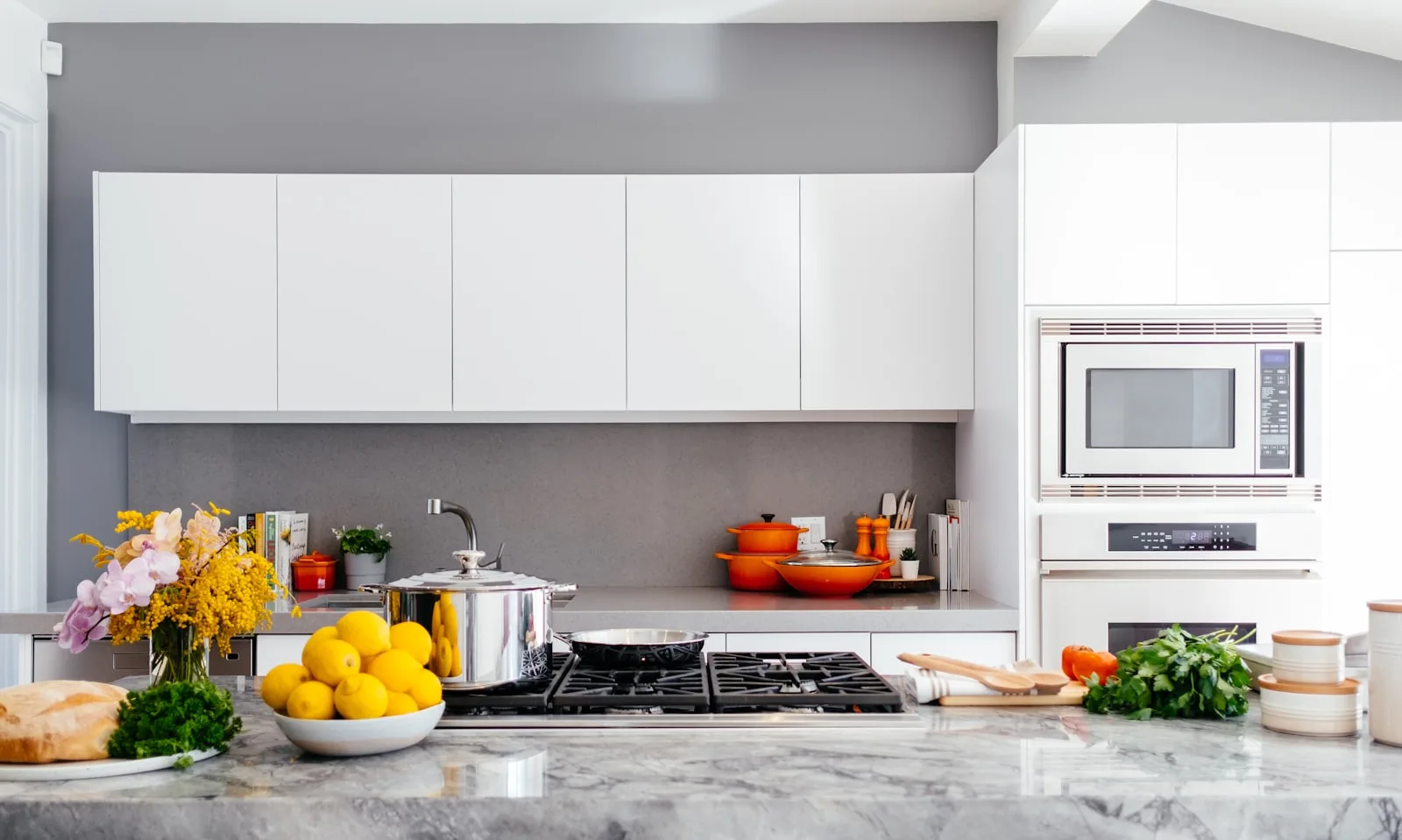
Transitioning to a BPA-free kitchen is a marathon, not a sprint. Focus on replacing your most frequently used plastic items with stainless steel, glass, or wood as they reach the end of their life. This approach keeps your budget intact while building a healthier, more durable kitchen environment over time.
FAQ

Is silicone truly safer than plastic?
Silicone is generally more stable than plastic at high temperatures and does not contain BPA. However, ensure you purchase food-grade silicone to avoid fillers that might compromise its safety during cooking.
Can I use stainless steel for everything?
While stainless steel is excellent for storage and prep, it is not suitable for microwave use. Use glass or ceramic containers for reheating food to avoid sparks and ensure even heating.
How do I know if my wood utensils are safe?
Choose unfinished or naturally oiled solid wood. Avoid wood products treated with heavy lacquers or stains, as these finishes can chip or leach into food when exposed to heat.